

TL;DR
Off-the-shelf software is faster and cheaper to start with, but custom web apps deliver long-term value when your needs are unique, your workflows are complex, or competitive advantage matters. The right choice depends on your business stage, budget, and growth plans. This article breaks down when each option makes sense — with real scenarios to guide your decision.
The Build vs. Buy Decision
Every growing business eventually faces this question: should we keep patching together off-the-shelf tools, or build something custom that fits the way we actually work?
It’s not a simple question. Both options have real advantages, real costs, and real risks. The wrong choice can lock you into a tool that doesn’t scale or burn through budget on a custom build you didn’t need yet.
Let’s cut through the noise and look at when each approach actually makes sense.
When Off-the-Shelf Software Wins
Your Needs Are Standard
If your business processes look like most other businesses in your industry, off-the-shelf probably has you covered. Need a CRM? Salesforce and HubSpot serve millions of companies. Need project management? Asana, Monday, and Basecamp have solved that problem thoroughly. Need accounting? QuickBooks and Xero are battle-tested.
These tools exist because the problems they solve are common. When your workflows align with what they offer, you get a polished, supported product at a fraction of what custom development would cost.
Speed to Market Matters Most
Off-the-shelf software can be deployed in days or weeks. Custom development takes months. If you need something running now — to test a market, support a sudden growth spike, or meet a deadline — buying beats building every time.
Budget Is Tight
Monthly SaaS subscriptions spread the cost over time. Custom development requires significant upfront investment. For startups and small businesses in their early stages, preserving cash for growth is usually more important than having a perfectly tailored tool.
When Custom Web Apps Win
Your Workflows Are Unique
If you’ve been bending off-the-shelf tools to fit your process — creating elaborate workarounds, maintaining spreadsheets alongside your software, or manually transferring data between systems — that’s a signal. You’re spending time and money compensating for a tool that doesn’t fit.
Custom applications are built around your actual workflows. No workarounds. No square pegs in round holes. The software adapts to your business, not the other way around.
Integration Is Critical
Most businesses use multiple tools. When those tools need to talk to each other — sharing data, triggering automations, maintaining consistency — off-the-shelf integrations often fall short. They’re generic, limited, and sometimes unreliable.
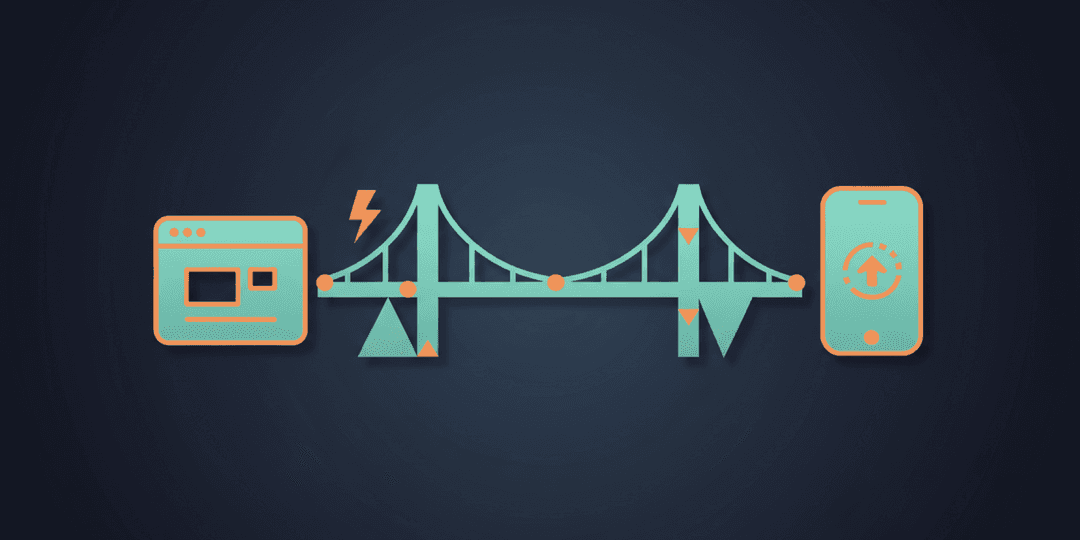
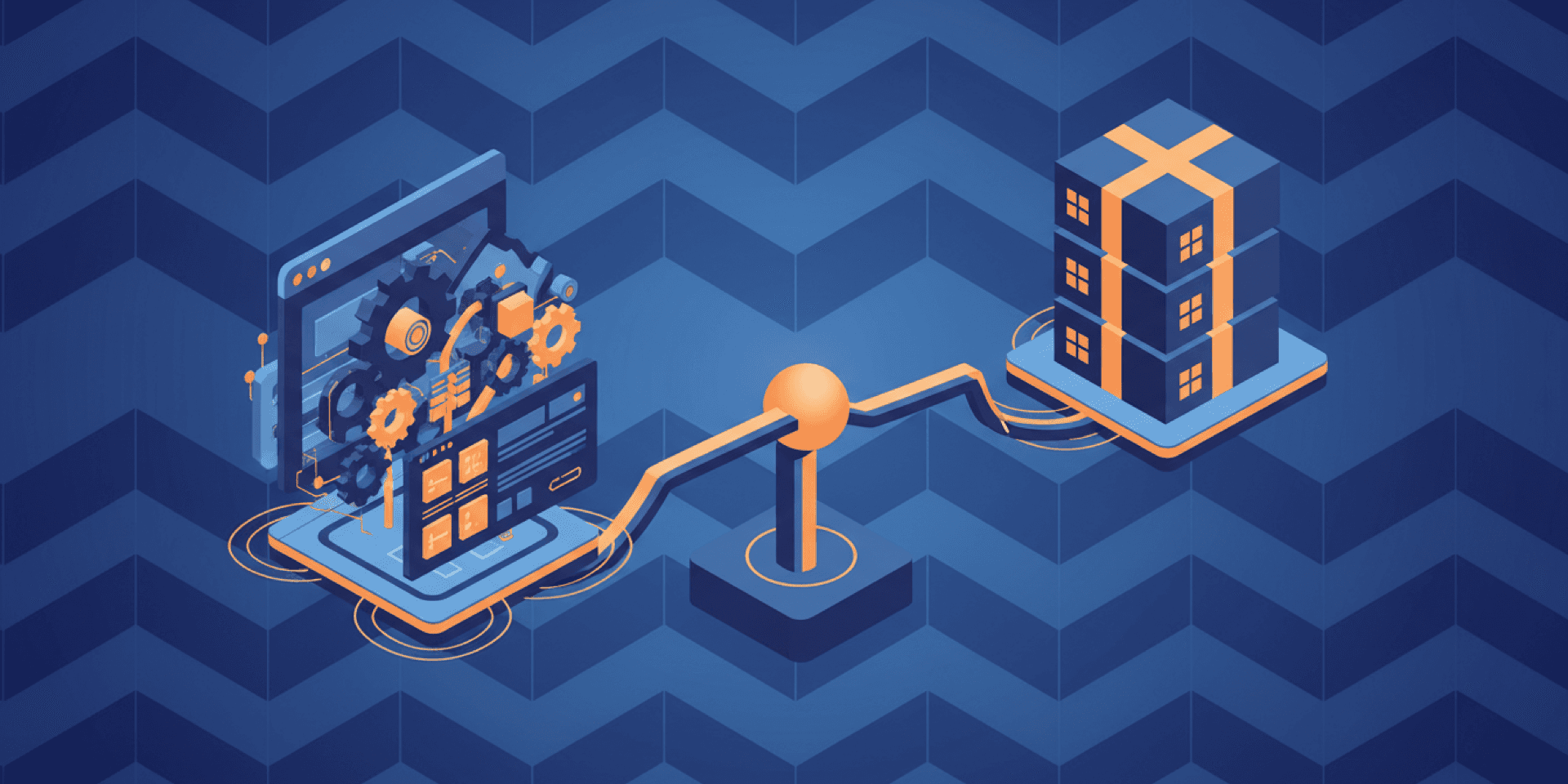
A custom web app can serve as the central hub that connects your existing tools exactly the way you need them connected. Real-time data sync, custom business logic, automated workflows across systems — all tailored to your specific requirements.
You Need a Competitive Edge
If your competitors use the same off-the-shelf tools you do, you’re competing on execution, not capability. Custom software can give you capabilities your competitors simply don’t have — proprietary algorithms, unique customer experiences, or operational efficiencies that aren’t available off the shelf.
You’ve Outgrown What’s Available
There’s a ceiling to what off-the-shelf tools can do. When you hit it — when you need features the vendor won’t build, when you need performance they can’t deliver, or when their pricing scales faster than your revenue — custom development becomes the pragmatic choice.
The Total Cost of Ownership Conversation
This is where most comparisons get it wrong. They compare the sticker price of SaaS subscriptions against custom development quotes. But total cost of ownership tells a very different story.
Off-the-shelf costs you didn’t budget for:
- Per-seat licensing that scales with headcount (often aggressively)
- Premium tiers required for features you actually need
- Third-party integration tools (Zapier, Workato) to fill gaps
- Training time to learn a system that doesn’t match your process
- Productivity lost to workarounds and manual data entry
- Vendor lock-in that makes switching painful and expensive
Custom development costs you should plan for:
- Upfront development investment (typically $50K-$300K+ depending on complexity)
- Ongoing maintenance and hosting (budget 15-20% of build cost annually)
- Feature additions as your business evolves
- Security updates and infrastructure management
For a 10-person team paying $150/seat/month for a SaaS tool plus $50/month for integrations, that’s $24,000/year. Over five years, that’s $120,000 — and it scales up as you hire. A custom solution that costs $100,000 to build and $15,000/year to maintain costs $175,000 over the same period, but with no per-seat scaling and exactly the features you need.
The math doesn’t always favor custom. But it does more often than people expect, especially at scale.
Real Scenarios: Which Would You Choose?
Scenario 1: A 15-person marketing agency needs project management and time tracking. Off-the-shelf wins. Asana or Monday handles this well, the workflows are standard, and the team doesn’t need anything proprietary.
Scenario 2: A logistics company needs to manage a complex routing algorithm, integrate with GPS hardware, and provide real-time dashboards to customers. Custom wins. No off-the-shelf tool handles this specific combination, and the routing algorithm is a core competitive advantage.
Scenario 3: A healthcare provider needs patient intake forms and appointment scheduling. It depends. If their workflow is standard, an industry-specific SaaS works. If they have proprietary protocols or need deep EHR integration, custom makes sense.
As the Nielsen Norman Group points out, the decision often comes down to how much your workflows diverge from industry norms.
The Hybrid Approach
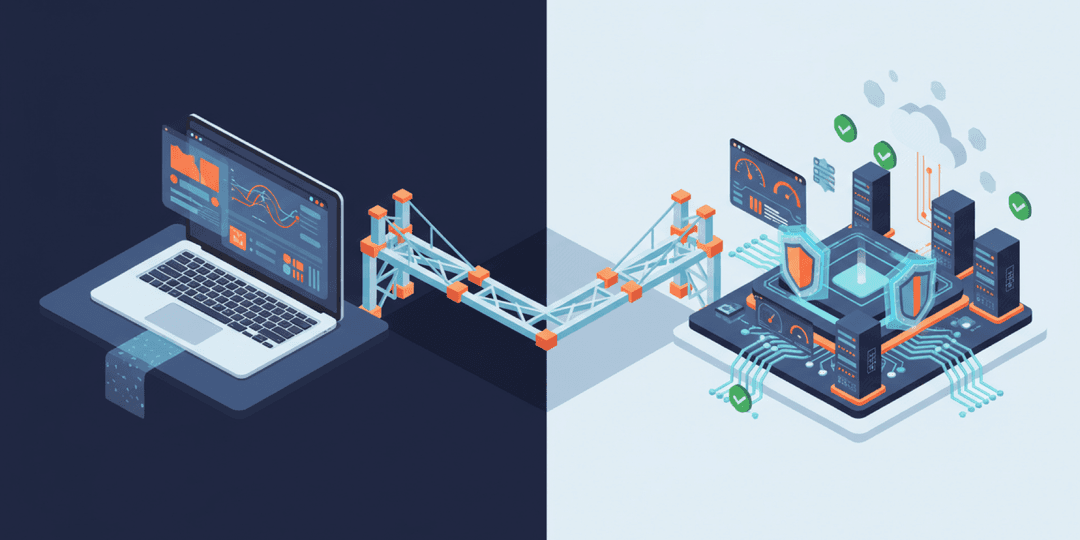
It’s not always either/or. Many businesses use off-the-shelf tools for standard functions (email, accounting, CRM) and custom applications for their core differentiators. The key is identifying which processes are commodities and which are competitive advantages.
Commodities? Buy. Competitive advantages? Build.
Making the Right Call
The best decision starts with an honest assessment of your business needs, growth trajectory, and budget. Don’t build custom because it sounds impressive. Don’t settle for off-the-shelf because it seems easier. Choose based on what drives the most value for your specific situation.
At Project Assistant, we help businesses make exactly this decision. Sometimes we recommend building. Sometimes we recommend buying. Our goal is the right solution for your business — not just the one that generates a bigger proposal. If you’re weighing your options, let’s figure out the right path together.